

Importing Autonomous Equipment from outside the EU: Hidden Risks for Farmers
The idea sounds attractive indeed: the weeder advertised on Alibaba at a price two times lower than a European one; a robotic sprayer from a USA supplier; a second-hand precision guidance system from a British farm sale. For farmers facing thin margins and labour scarcity, the economics of such ‘deals’ make sense.
However, importing agricultural machinery from non-EU producers is not as easy as it seems at first glance, especially once the new EU Machinery Regulation comes into force on 20 January 2027. Through several scenarios I will try to illustrate the risks of buying machinery outside the EU.
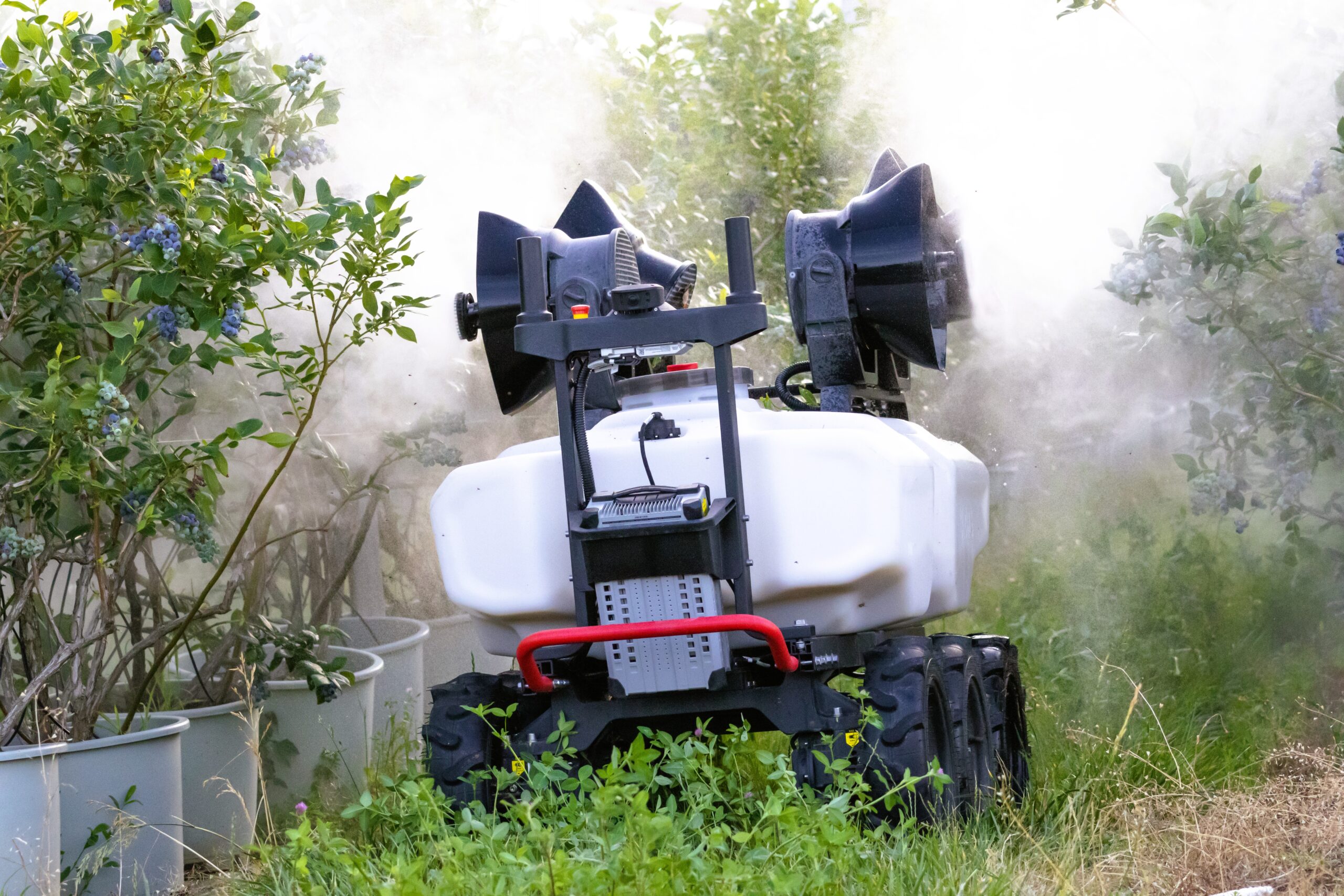
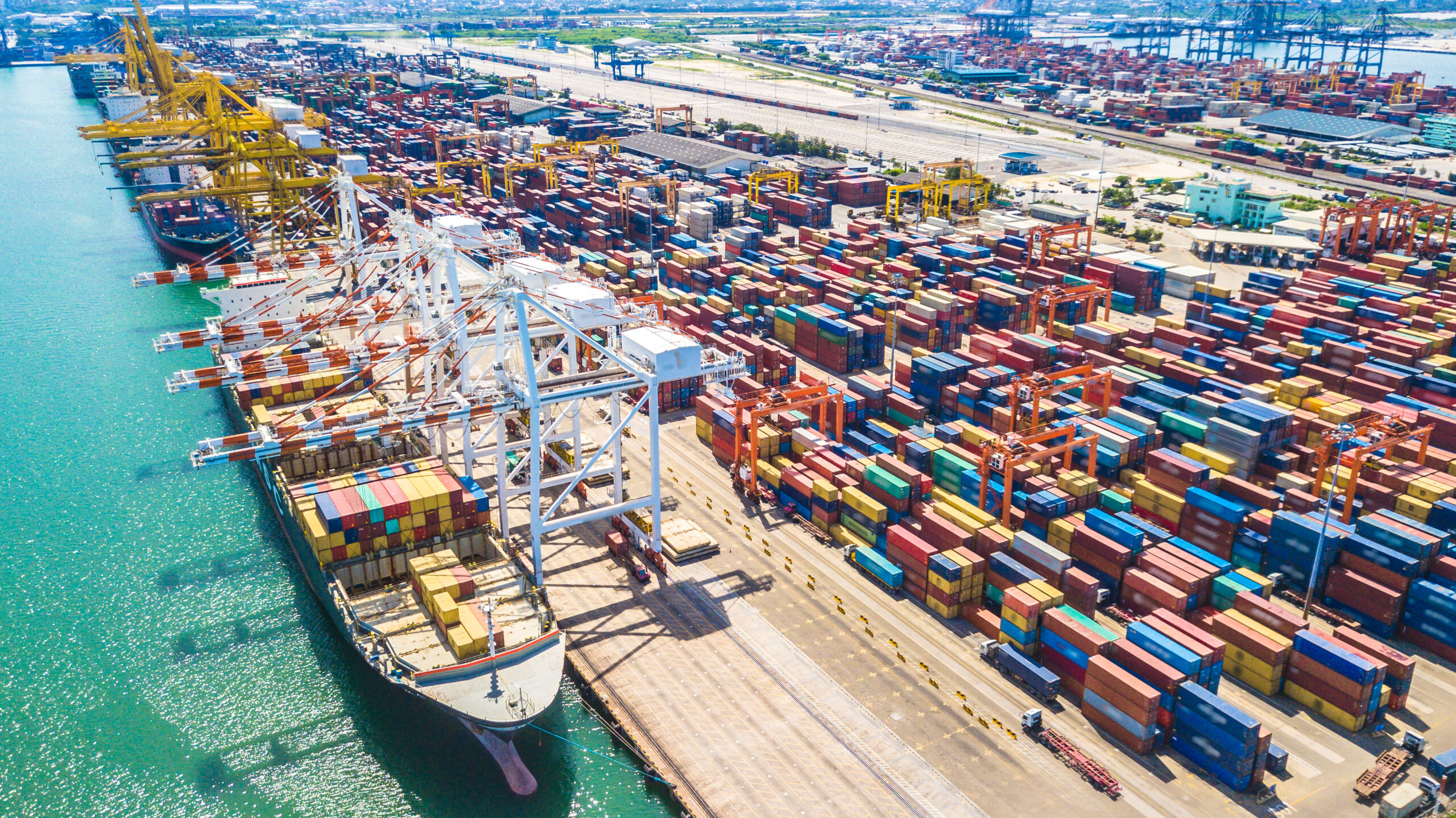
Machinery Sourced from China
Thanks to platforms like Alibaba and Made-in-China, it is possible to source equipment from China at prices lower than those offered by European competitors. But the trouble lies in the fact that in many cases the sellers there are little more than brokers with little awareness about the EU regulatory requirements.
When they claim a product is “CE certified,” they may be referring to a certificate with no European standing, or the product may even bear the “China Export” mark, a logo visually similar to the genuine CE mark but legally meaningless in the EU.
If equipment arrives without valid documentation, the importing farmer is held legally responsible. Under EU law, the importer assumes the obligations that would otherwise fall to the manufacturer — this includes liability for accidents caused by non-compliant equipment.
Used Machines from the USA
There is no doubt that American agricultural technology is world-leading, and used equipment from US farms can appear attractively priced. However, equipment designed for the American market is built to different standards.
In the United States, machinery safety is governed by voluntary consensus standards and OSHA requirements. There is no equivalent to CE marking. A tractor perfectly legal in Iowa may be fundamentally non-compliant with EU essential health and safety requirements.
According to EU regulations, any machine placed on the EU market, regardless of its origin and age, has to comply with relevant EU requirements. For autonomous equipment with AI systems, the EU AI Act adds further obligations that American manufacturers selling domestically may never have contemplated. So even if a twenty-year-old tractor comes to the EU for the very first time, it still needs to satisfy all these EU requirements.
Used Agricultural Machinery from the UK
After leaving the EU on 1 January 2021, the UK has become a “third country” in relation to the EU and, therefore, the traditionally strong flow of used agricultural machinery from the UK is under threat. In particular, farmers in Ireland used to source agricultural equipment from farms across the sea.
While a machine which was CE marked at the moment of sale in Britain could still satisfy current EU requirements, if its technical documentation or specifications have been changed since then, it becomes the importer’s (or user’s) responsibility. Moreover, the use of autonomous machines in the UK follows its own path. Although the UK continues to recognise the value of CE marking indefinitely, it will not implement either the new EU Machinery Regulation or the AI Act.
As a result, a tractor bought from a dealer in the UK will not meet the new EU requirements at first glance.
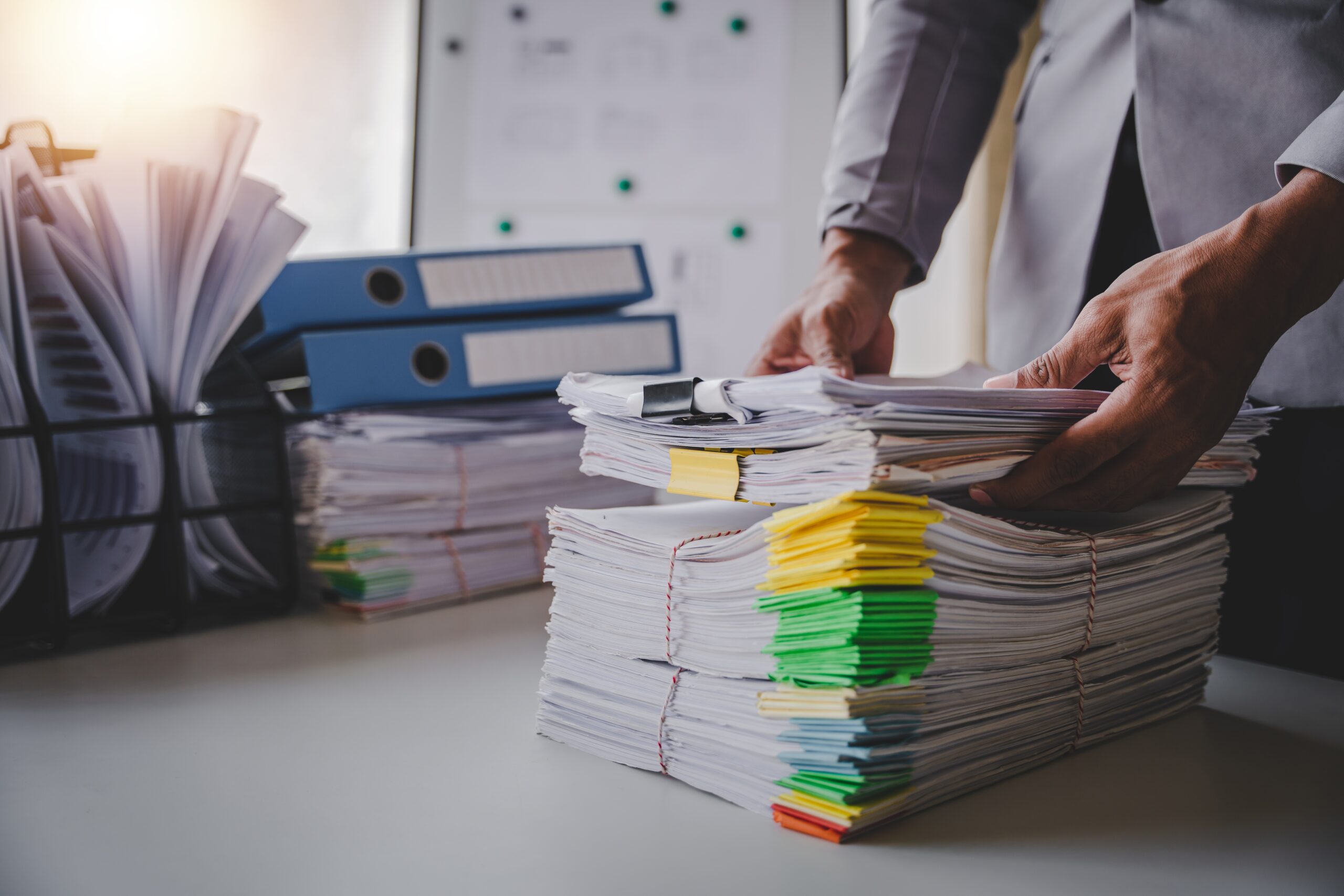
Legal Requirements and the Risks
When acquiring machinery from outside the EU, they may perform mechanically even better than products available on the EU market. Yet, they fall outside the scope of European regulations and do not provide the minimum required level of safety, technical documentation, technical files or declarations of conformity. A farmer operating such equipment runs a considerable risk: insurance may refuse to pay out, inspectors may prohibit use and civil or criminal liability may follow any accident.
The new EU Machinery Regulation (2023/1230), applicable from 20 January 2027, introduces specific requirements for autonomous mobile machinery. Such machines must include supervisory functions allowing human intervention, operate within predefined zones, and log all decisions for at least one year. Autonomous machinery that utilises AI for safety functions must undergo third-party certification. Self-declaration is not permitted.
The EU AI Act (Regulation 2024/1689) classifies AI systems used in machinery as high-risk. From August 2026, importers must verify conformity assessments and documentation. Farmers are required to use AI systems in accordance with instructions and implement human oversight.
Tips for Farmers
Even when a dealer provides documentation, farmers must understand what actually constitutes proof of compliance. The document that matters is the EU Declaration of Conformity, a specific statement signed by the manufacturer or importer taking legal responsibility for the product’s compliance. Without this declaration, and without access to the underlying technical file that supports it, any CE mark affixed to the equipment is legally worthless.
The same principle applies to used equipment. A farmer who purchases a second-hand autonomous system from an American auction site may find that the previous owner has no EU compliance documentation, because none was ever required for operation in the United States. Without that documentation, the equipment cannot legally be placed on the EU market or put into service.
Lastly, even fully documented equipment can fail due to simple language requirements. EU law mandates that instructions for use be provided in the official language of the Member State where the equipment is operated. A manual in Mandarin, or only in English, does not fulfil this requirement for equipment used in France, Germany, or Poland.

What Farmers Need to Verify Before Purchasing
For new equipment
The most important step is to insist on receiving the EU Declaration of Conformity before making any payment. This is the foundational document. If a supplier cannot or will not provide it, the transaction should not proceed. Where the equipment falls into a high-risk category requiring third-party assessment, farmers should verify the claimed notified body certification against the EU’s NANDO database, which lists all legitimately designated conformity assessment bodies. It is equally important to confirm that an EU authorised representative has been appointed, that instructions will be provided in the appropriate language, and that the manufacturer has provided written commitments for software support and updates.
For used equipment
The focus shifts to establishing compliance history. Was the machine originally CE marked for the EU market, or was it built to different standards for sale elsewhere? Has it been modified since original manufacture, potentially invalidating its compliance status? Can the technical file be accessed, or has it been lost over successive changes of ownership? If these questions cannot be answered satisfactorily, the prudent course is to assume the equipment is non-compliant and to walk away from the purchase.
For autonomous or AI-enabled equipment
Whether new or used, additional verification is essential. Farmers should confirm that the product meets the specific requirements of the Machinery Regulation coming into force in January 2027, including the provisions for supervisory functions, zone confinement, and decision logging. Compliance with the AI Act must also be verified, particularly when the equipment includes machine learning or self-evolving behaviour in safety-critical functions. These are not optional features — they are regulatory requirements, and their absence renders the equipment unlawful to operate.
These are just a few tips which can help a farmer identify the risks and decide whether it is worth buying such a machine.
The temptation of buying a cheaper import is real, but so are the hidden costs: equipment that cannot legally operate, insurance that will not pay, liability that falls on the farmer. Due diligence is not optional — it is the price of doing business safely.


Facebook
Select your area of interest and explore all BKT Tires social channels.